
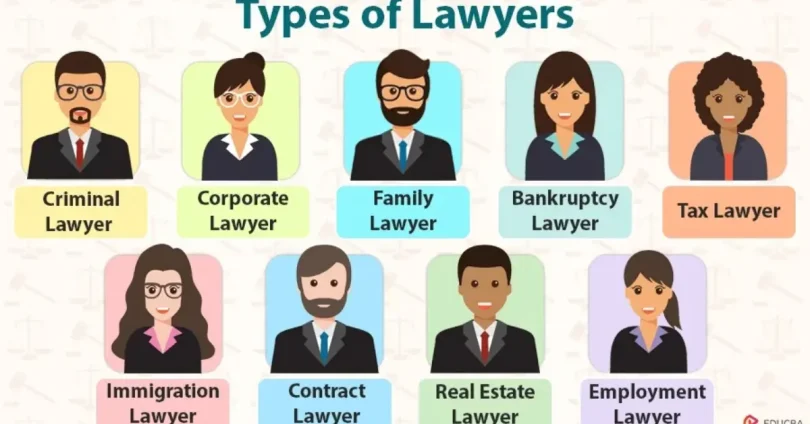

When you need legal help, it can be confusing to know where to start. There are many types of lawyer services, and each type focuses on different legal problems. Whether you are dealing with a family matter, starting a business, facing a criminal charge, buying property, or handling an employment dispute, choosing a lawyer who understands your specific situation can make the legal process easier to understand.
In this guide, we will look at the most common lawyer services and explain what each one does in simple, everyday language.
What Are Lawyer Services?

Lawyer services include the professional legal assistance a lawyer provides to individuals, families, businesses, and organizations. These services can involve giving legal advice, preparing documents, negotiating agreements, representing clients, and appearing in court.
Not every legal problem requires a court case. Sometimes, a lawyer can help you understand your rights, review a contract, send a legal notice, or negotiate with another party before a dispute becomes more serious.
Types of Lawyer Services
There are many areas of law, so lawyers often specialize in particular types of legal work. Here are some of the most common services.
1. Family Law Services
Family lawyers help with legal matters involving family relationships. You may need this type of lawyer when dealing with:
- Divorce and separation
- Child custody
- Child support
- Adoption
- Property issues related to separation
- Domestic relationship disputes
- Guardianship matters
Family legal issues can be emotional as well as complicated. A family lawyer can explain the applicable legal process and help you understand your available options.
2. Criminal Law Services
Criminal lawyers assist people who have been accused of committing crimes. Depending on the situation, their work may involve:
- Explaining criminal charges
- Preparing a defense
- Representing a client in court
- Bail-related matters
- Reviewing evidence
- Negotiating where legally appropriate
- Appealing a conviction or sentence
If you are accused of a crime, it is important to understand the specific laws and procedures that apply to your location.
3. Personal Injury Lawyer Services
Personal injury lawyers deal with claims involving injuries or losses caused by another person’s actions or negligence.
Common examples include:
- Road accidents
- Workplace injuries
- Slip-and-fall accidents
- Medical negligence claims
- Product-related injuries
- Other accident-related injuries
A lawyer can help you understand whether you may have a legal claim and what evidence may be relevant.
4. Employment and Labor Law Services
Employment lawyers help employees and employers with workplace-related legal issues.
Their services may include assistance with:
- Employment contracts
- Wrongful termination claims
- Workplace discrimination
- Harassment complaints
- Wage and payment disputes
- Workplace policies
- Employee benefits
- Employment agreements
Before signing an employment agreement, having a lawyer review the terms can help you understand your rights and responsibilities.
5. Business and Corporate Law Services
Business lawyers help companies with legal matters connected to starting, operating, and growing a business.
They may assist with:
- Business formation
- Partnership agreements
- Company contracts
- Business purchases and sales
- Corporate documents
- Commercial disputes
- Regulatory requirements
- Business negotiations
If you are starting a business, legal advice early in the process may help you avoid problems later.
6. Real Estate and Property Law Services
Property lawyers help with legal matters involving land, houses, buildings, and other real estate.
You may need property-related legal assistance when:
- Buying or selling property
- Reviewing a property agreement
- Dealing with ownership disputes
- Handling landlord and tenant matters
- Preparing leases
- Resolving boundary disputes
- Reviewing property documents
Property transactions can involve significant amounts of money, so understanding the documents before signing them is important.
7. Immigration Law Services
Immigration lawyers help people understand and navigate immigration laws and procedures.
Depending on the country and situation, services may include:
- Visa applications
- Residency applications
- Citizenship matters
- Family immigration
- Work permits
- Immigration appeals
- Immigration-related legal problems
Immigration rules can change, so you should check the current requirements that apply to your particular situation.
8. Estate Planning and Wills
Estate planning lawyers help people organize how their property and assets should be handled.
Services can include:
- Preparing wills
- Estate planning
- Trust arrangements
- Inheritance-related matters
- Powers of attorney
- Estate administration
Planning these matters in advance can help make your wishes clearer and may reduce disputes among family members.
9. Tax Law Services
Tax lawyers deal with legal questions involving taxes and tax authorities.
They may help with:
- Tax disputes
- Tax compliance
- Business tax matters
- Tax investigations
- Tax-related agreements
- Appeals and legal proceedings
Tax law can be complicated, especially for businesses and people with complex financial arrangements.
10. Intellectual Property Lawyer Services
Intellectual property lawyers help protect creations, brands, inventions, and other forms of intellectual property.
Their work can involve:
- Trademarks
- Copyright
- Patents
- Licensing agreements
- Brand protection
- Intellectual property disputes
If you have created a brand, product, design, book, software, or invention, understanding how intellectual property law applies can be useful.
11. Contract Lawyer Services
Contracts are part of everyday business and personal transactions. Contract lawyers help clients understand, prepare, review, and negotiate legal agreements.
They may review:
- Employment contracts
- Business agreements
- Rental agreements
- Service contracts
- Partnership agreements
- Purchase agreements
- Confidentiality agreements
Before signing an important contract, ask questions about anything you do not understand.
12. Civil Litigation Services
Civil litigation involves legal disputes between individuals, businesses, organizations, or other parties.
Civil lawyers may help with disputes involving:
- Money
- Contracts
- Property
- Business disagreements
- Personal injury
- Other civil claims
A civil lawyer can explain the legal process and represent you where court proceedings are involved.
You may also like to read this:
Basic Legal Information: A Simple Guide For Beginners
Common Legal Questions: Simple Answers & Legal Guide
Simple Legal Advice: Easy Guide To Legal Basics
Everyday Legal Issues: Common Problems and Solutions
Legal Rights Guide: Understand Your Basic Legal Rights
How to Choose the Right Lawyer
Choosing a lawyer starts with understanding what kind of legal problem you have. You do not necessarily need a lawyer who handles every area of law. Instead, look for someone whose practice matches your particular issue.
Consider the following:
Identify Your Legal Problem
First, write down what happened and what you need help with. For example, if your problem involves a workplace dispute, an employment lawyer may be more relevant than a property lawyer.
Check the Lawyer’s Experience
Look at the lawyer’s experience with cases or matters similar to yours. Ask about their area of practice and whether they regularly handle the type of issue you are facing.
Ask About Fees
Before hiring a lawyer, ask how the fees work. Depending on the matter, a lawyer may charge an hourly fee, fixed fee, retainer, or another arrangement.
Make sure you understand what is included and whether additional expenses may apply.
Ask What the Process Involves
A good lawyer should be able to explain the general legal process in understandable language. Ask what documents you need, what steps may follow, and what your responsibilities will be.
When Should You Contact a Lawyer?
You do not always need to wait until a serious dispute develops. Consider getting legal advice when you are:
- Asked to sign an important legal document
- Facing a lawsuit or legal claim
- Accused of a crime
- Starting or buying a business
- Buying or selling significant property
- Going through a divorce
- Dealing with an employment dispute
- Planning an estate
- Facing a complicated legal disagreement
Getting advice early can sometimes help you understand your options before the situation becomes more difficult.
What Should You Take to a Lawyer?
Before your appointment, collect documents related to your legal problem. Depending on the situation, these might include contracts, letters, emails, notices, receipts, court documents, property records, or other relevant paperwork.
Write down important dates and explain what happened in chronological order. This can help the lawyer understand your situation more quickly.
Final Thoughts
Understanding the different types of lawyer services can help you find the right kind of legal assistance for your situation. Family lawyers handle family matters, criminal lawyers deal with criminal cases, property lawyers assist with real estate issues, and business lawyers help with commercial and corporate matters.
If you are facing a legal problem, start by identifying the area of law involved and then look for a qualified lawyer who regularly handles similar matters. Also, remember that laws and legal procedures vary by country and jurisdiction, so local legal advice is important for specific situations.
Frequently Asked Questions
What are the main types of lawyer services?
Common types of lawyer services include family law, criminal law, personal injury, employment law, business law, property law, immigration law, tax law, contract law, and estate planning.
How do I know which type of lawyer I need?
Start by identifying the legal problem you are facing. For example, a divorce may require a family lawyer, while a property dispute may require a property lawyer. A lawyer can also tell you if your matter needs a different specialist.
What does a family lawyer do?
A family lawyer handles legal matters involving families, such as divorce, child custody, child support, adoption, guardianship, and certain family property disputes.
What does a criminal lawyer do?
A criminal lawyer represents or advises people involved in criminal cases. Their work may include explaining charges, preparing a defense, reviewing evidence, and representing a client in legal proceedings.
When should I hire a property lawyer?
You may consider hiring a property lawyer when buying or selling property, preparing or reviewing a lease, dealing with ownership issues, or resolving a property dispute.






[…] You may also like to read this:Types of Lawyer Services: A Guide To Legal Help […]
[…] Types of Lawyer Services: A Guide To Legal Help […]