


Understanding common legal documents can make everyday life much easier. Whether you are renting a home, starting a business, buying property, getting married, or dealing with an employment matter, the right document can help protect your rights and clearly explain your responsibilities.
You do not need to be a legal expert to understand the basics. In this guide, we will look at the most common legal documents, what they are used for, and why they matter.
What Are Legal Documents?

Legal documents are written records that establish, explain, or support legal rights, responsibilities, agreements, or transactions. Some documents are created between two people, while others may be prepared for businesses, government agencies, courts, or other organizations.
A legal document may be as simple as a written agreement between two people or as detailed as a property contract or business agreement.
The exact requirements can vary depending on your country, state, province, or situation, so important documents may need to be reviewed by a qualified legal professional.
Why Are Legal Documents Important?
You might wonder why you should spend time preparing paperwork when a simple verbal agreement seems easier.
The main reason is clarity.
A properly prepared document can help you understand:
- What each person has agreed to do
- When something must be completed
- How payments should be made
- What happens if someone does not follow the agreement
- Who owns certain property or assets
- What rights and responsibilities each party has
Written documentation can also provide evidence if a disagreement occurs later.
Common Legal Documents You Should Know
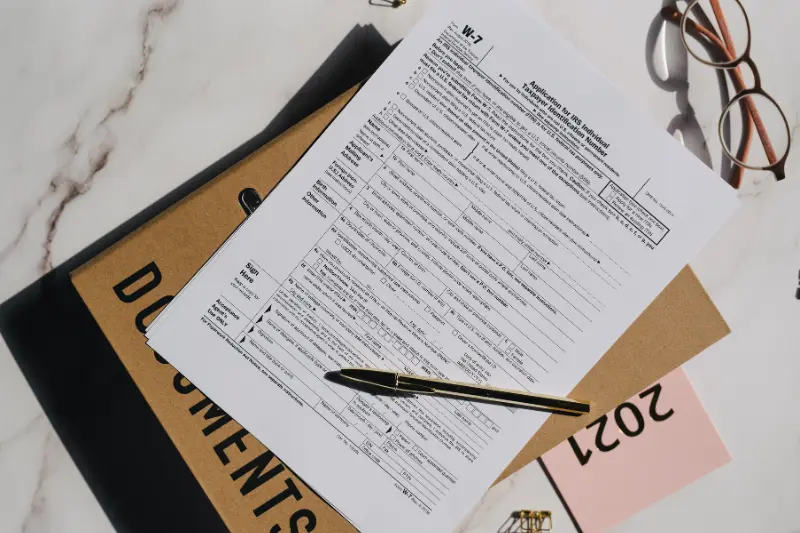
There are many types of legal documents, but some are especially common in everyday situations.
1. Contracts and Agreements
Contracts are among the most common legal documents. They are used when two or more parties agree to certain terms.
Examples include:
- Employment contracts
- Business agreements
- Service agreements
- Sales contracts
- Partnership agreements
- Rental agreements
A contract generally explains what each party promises to do and may include payment terms, deadlines, responsibilities, and procedures for ending the agreement.
Before signing a contract, take time to read the entire document. If something is unclear, ask questions before agreeing to it.
2. Lease or Rental Agreement
A lease or rental agreement sets out the terms between a landlord and tenant.
It may include information about:
- Rent
- Security deposit
- Lease duration
- Maintenance responsibilities
- Utility payments
- Property rules
- Termination conditions
Having these terms in writing can reduce misunderstandings between landlords and tenants.
3. Employment Agreement
An employment agreement explains the relationship between an employer and employee.
Depending on the situation, it may cover:
- Job position
- Salary or wages
- Working hours
- Benefits
- Leave
- Duties
- Confidentiality
- Termination terms
You should carefully review an employment agreement before signing it, particularly sections dealing with compensation, responsibilities, and termination.
4. Will
A will is a legal document that can explain how a person’s property and assets should be distributed after death, subject to applicable law.
A will may identify:
- Beneficiaries
- Property distribution
- Personal representatives or executors
- Guardians for minor children where applicable
Because inheritance laws differ by jurisdiction, it is important to make sure a will meets the legal requirements that apply where you live.
5. Power of Attorney
A power of attorney allows one person to authorize another person to act on their behalf in specified matters.
Depending on the type and applicable law, it may relate to:
- Financial matters
- Property transactions
- Business matters
- Administrative tasks
- Other specified decisions
The authority granted can vary significantly, so you should understand exactly what powers the document provides before signing it.
6. Non-Disclosure Agreement
A non-disclosure agreement, often called an NDA, is designed to protect confidential information.
Businesses may use NDAs when sharing sensitive information with:
- Employees
- Contractors
- Business partners
- Consultants
- Potential investors
An NDA may explain what information is considered confidential and how that information can or cannot be used.
7. Property Deed or Transfer Document
Property-related documents are used to establish or transfer interests in real estate.
Depending on local law, these documents may contain information about:
- The property
- The current owner
- The new owner
- Transfer terms
- Signatures
- Registration requirements
Property transactions can involve significant amounts of money, so it is wise to verify ownership and legal requirements before completing a transfer.
8. Loan Agreement
A loan agreement records the terms of a loan between a lender and borrower.
It may specify:
- Loan amount
- Interest rate
- Repayment schedule
- Payment method
- Late-payment provisions
- Security or collateral
- Default terms
Putting loan terms in writing can help both sides understand exactly what they have agreed to.
9. Business Partnership Agreement
If you are starting a business with another person, a partnership agreement can establish how the business will operate.
It may address:
- Ownership percentages
- Contributions
- Profit and loss sharing
- Management responsibilities
- Decision-making
- Dispute resolution
- What happens if a partner leaves
Discussing these issues early can help prevent disagreements later.
10. Invoice and Payment Records
Invoices are not always contracts themselves, but they can be important business records documenting goods or services provided and amounts owed.
A professional invoice may include:
- Seller information
- Customer information
- Description of goods or services
- Amount due
- Payment deadline
- Applicable taxes
- Payment instructions
Keep copies of invoices and payment records for your records.
Other Legal Documents You May Encounter
Depending on your circumstances, you may also come across:
- Divorce or separation agreements
- Prenuptial agreements
- Guardianship documents
- Settlement agreements
- Court filings
- Business formation documents
- Consumer agreements
- Insurance documents
- Copyright or intellectual-property agreements
- Construction agreements
- Authorization forms
Not every document is necessary for every person. The appropriate paperwork depends on your specific situation and local legal requirements.
What Should You Check Before Signing a Legal Document?
Before signing, do not simply look at the final page and sign immediately.
Read the Entire Document
Read every section, including the parts that seem less important. A small clause can sometimes create an important obligation.
Check Names and Details
Make sure names, addresses, dates, amounts, property descriptions, and other important information are accurate.
Understand Your Responsibilities
Ask yourself what you are agreeing to do. Also check what the other party is required to do.
Look for Deadlines
Pay attention to payment dates, renewal periods, notice requirements, and other deadlines.
Understand Termination Rules
Find out how the agreement can end and whether either party must provide advance notice.
Ask About Unclear Terms
If you do not understand a legal term or clause, do not guess. Ask the other party for clarification or consult a qualified lawyer.
You may also like to read this:
Family Lawyer Services: Legal Help For Family Matters
Business Lawyer Services: Legal Help For Your Business
Online Lawyer Services: Get Legal Help Online
Affordable Lawyer Services For Quality Legal Help
Legal Consultation Services: Get Trusted Legal Advice
Should You Have a Lawyer Review Your Documents?
Not every simple document requires a lawyer. However, professional legal advice can be useful when the document involves significant money, property, business interests, complicated obligations, or potential legal risks.
You may especially want legal advice when:
- You are buying or selling property
- You are starting a business
- You are signing a major business contract
- You are dealing with a dispute
- You are preparing an estate plan
- You are entering a complicated employment arrangement
- You do not understand important terms in the document
A lawyer can explain the document and identify issues that you may not notice yourself.
Keep Copies of Your Legal Documents
After signing an important document, keep a copy in a safe place. Depending on the document, you may also need to keep supporting records such as receipts, payment confirmations, notices, or correspondence.
For digital documents, consider keeping a secure backup. For particularly important paperwork, make sure you know where the original is stored.
Common Mistakes to Avoid
When dealing with legal documents, a few simple mistakes can create unnecessary problems.
Avoid:
- Signing without reading
- Leaving important blanks incomplete
- Ignoring deadlines
- Assuming verbal promises override written terms
- Using an outdated document
- Failing to keep a copy
- Signing a document you do not understand
- Assuming a document is legally valid without checking applicable requirements
Taking a little extra time before signing can help you avoid bigger problems later.
Final Thoughts
Knowing about common legal documents can help you handle everyday legal situations with greater confidence. Contracts, rental agreements, wills, powers of attorney, employment agreements, loan agreements, and property documents all serve different purposes. The most important thing is to understand what you are signing, keep accurate records, and get professional advice when the situation is complicated or high-risk.
Legal requirements can differ significantly depending on your location and circumstances, so this guide is general information rather than legal advice.
Frequently Asked Questions
What are common legal documents?
Common legal documents are written records used to establish agreements, rights, responsibilities, or important transactions. Examples include contracts, wills, rental agreements, employment agreements, and powers of attorney.
Why are legal documents important?
Legal documents help clearly record what people have agreed to and can provide evidence if a disagreement occurs. They can also explain rights, responsibilities, payments, deadlines, and other important terms.
What is the most common type of legal document?
Contracts and agreements are among the most commonly used legal documents. They are used for employment, rentals, business arrangements, services, sales, loans, and many other situations.
Should I have a lawyer review a legal document?
It can be helpful to have a lawyer review a document when it involves significant money, property, business interests, complicated terms, or potential legal consequences.
Can I create a legal document myself?
Some straightforward documents can be prepared without a lawyer, but legal requirements vary by location and document type. Important documents should meet the applicable legal requirements to be effective.






[…] Common Legal Documents: Types, Uses & What to Know […]
[…] You may also like to read this:Common Legal Documents: Types, Uses & What to Know […]